🏏 Bats, Tape Balls, Wickets & Hard Balls
Cricket Equipment in Pakistan
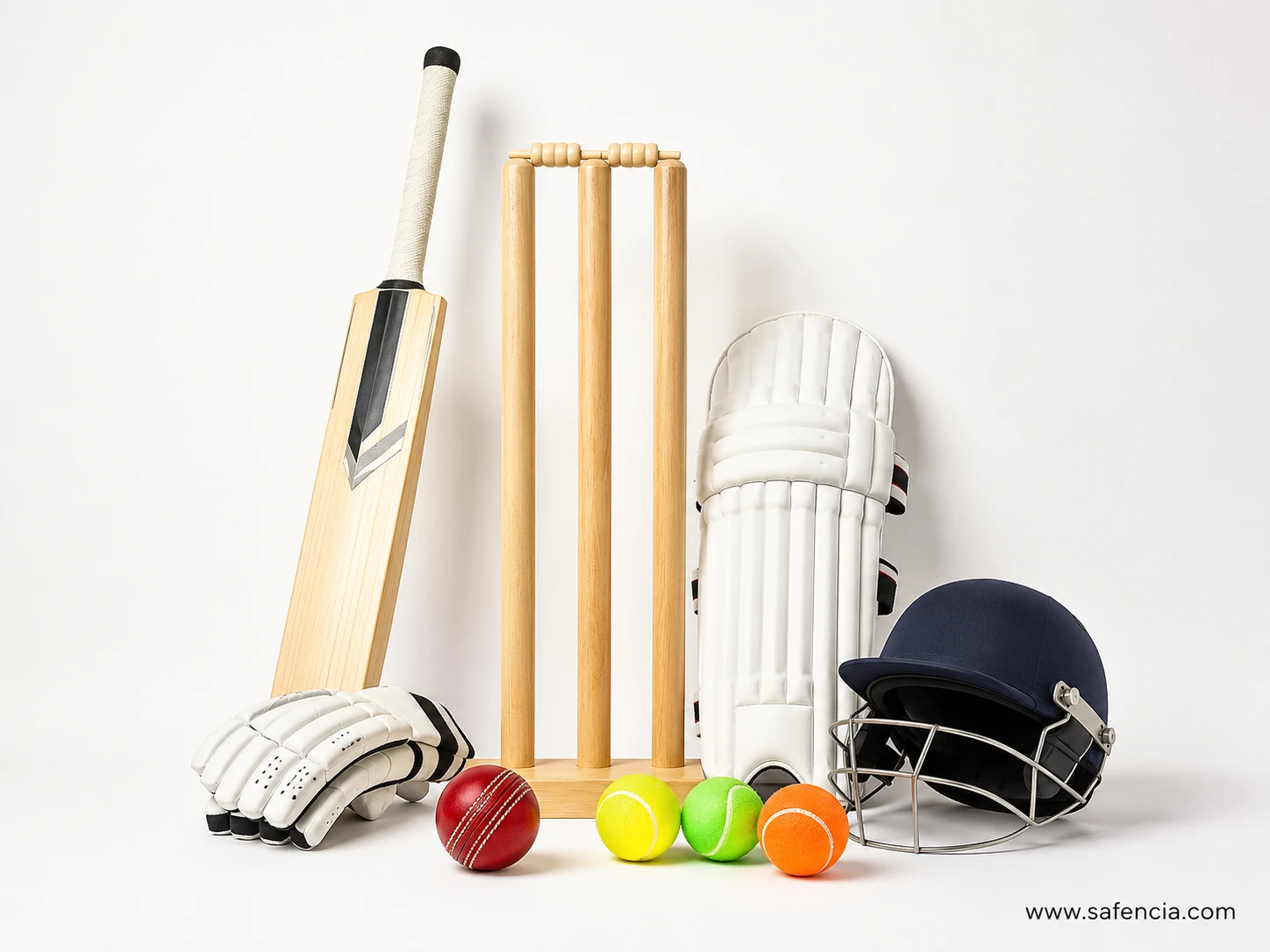
Everything for tape ball and hard ball cricket — CA and Fine Gold bats, tape balls, wickets and genuine leather hard balls. From Rs. 400 with Cash on Delivery nationwide.
🏏 7 Tape Ball Bats
🎾 11 Balls
🥅 5 Wicket Sets
💳 Cash on Delivery
Cricket Equipment
Sort by:
Featured
Best Rated
Most Bought
Price: Low to High
Price: High to Low
Cricket Equipment at Safencia (23)
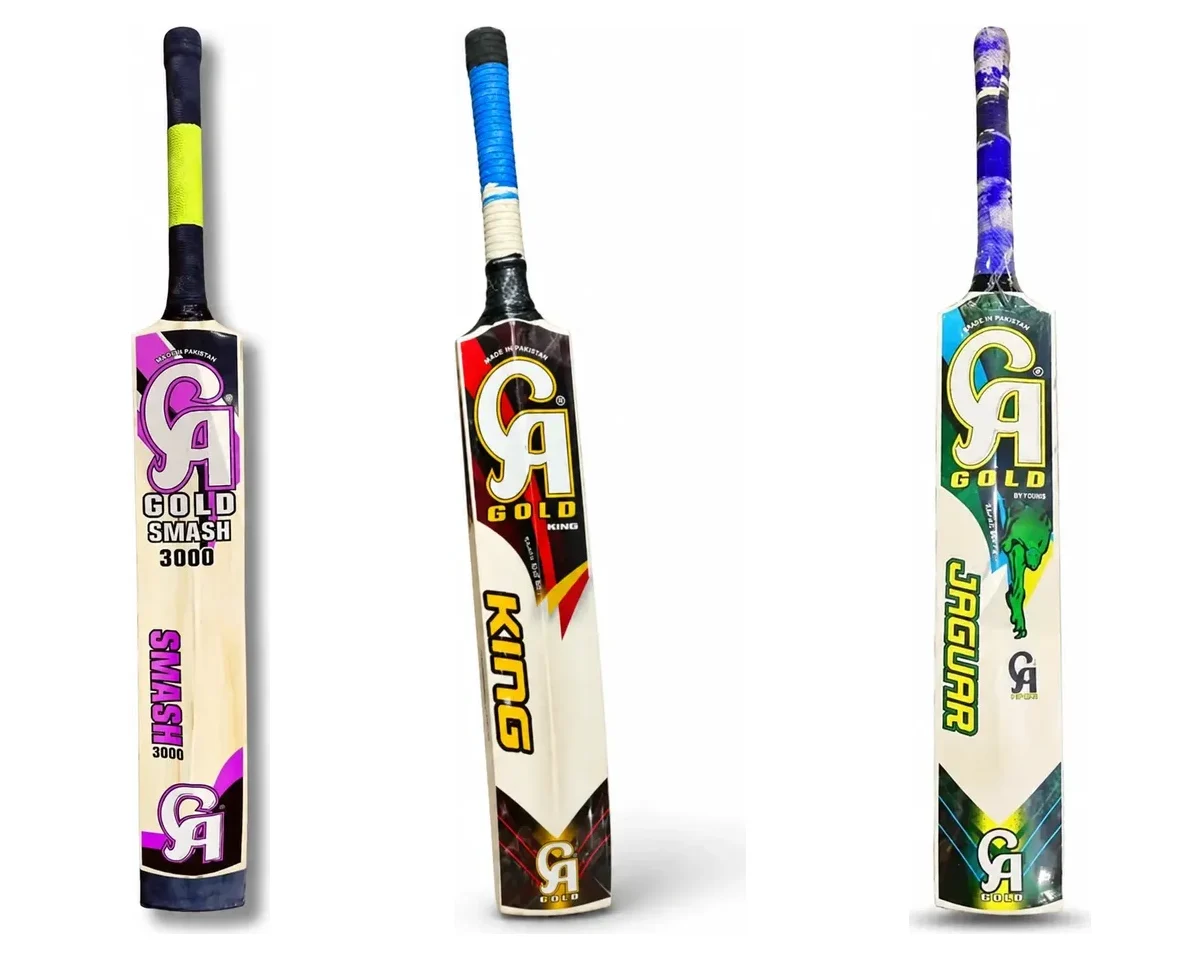
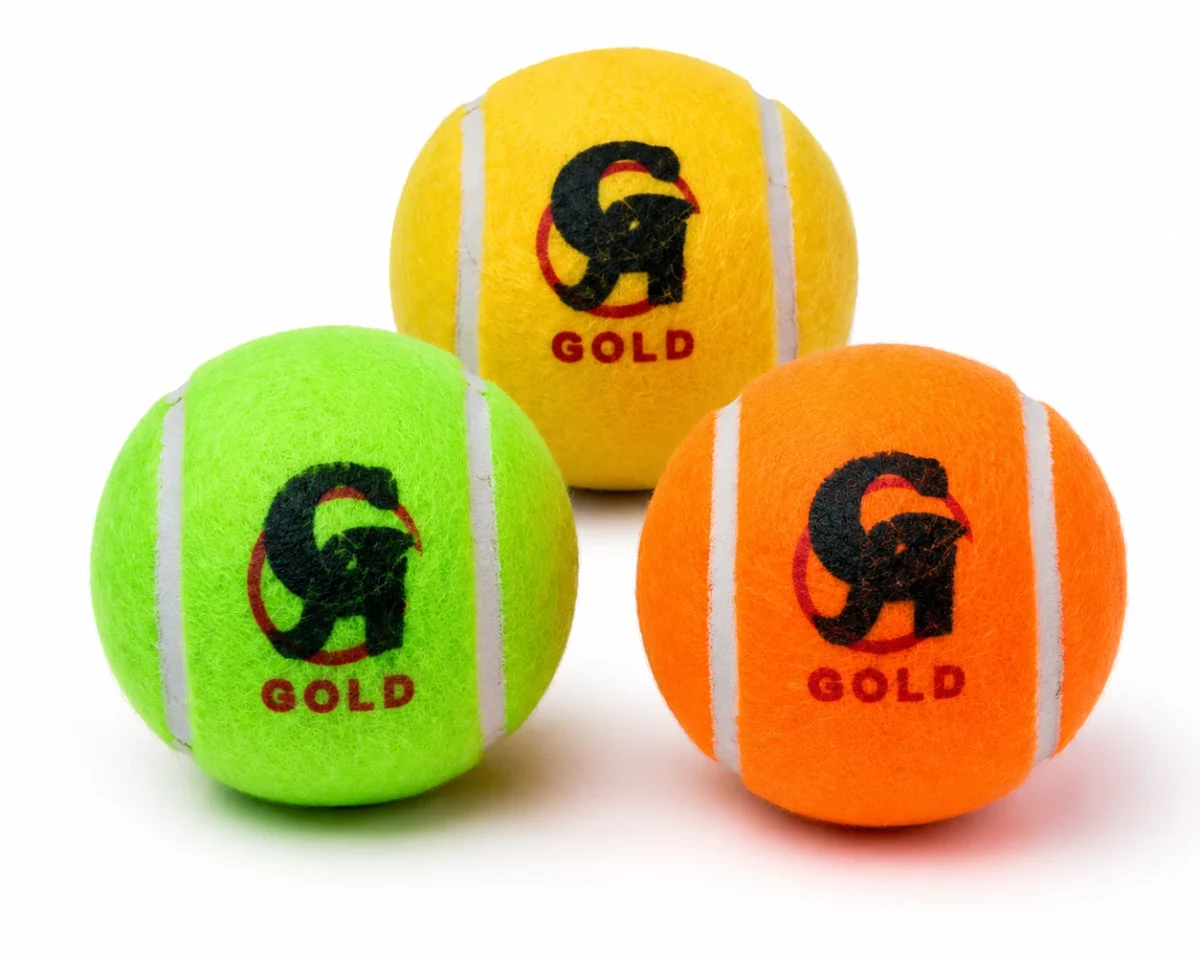
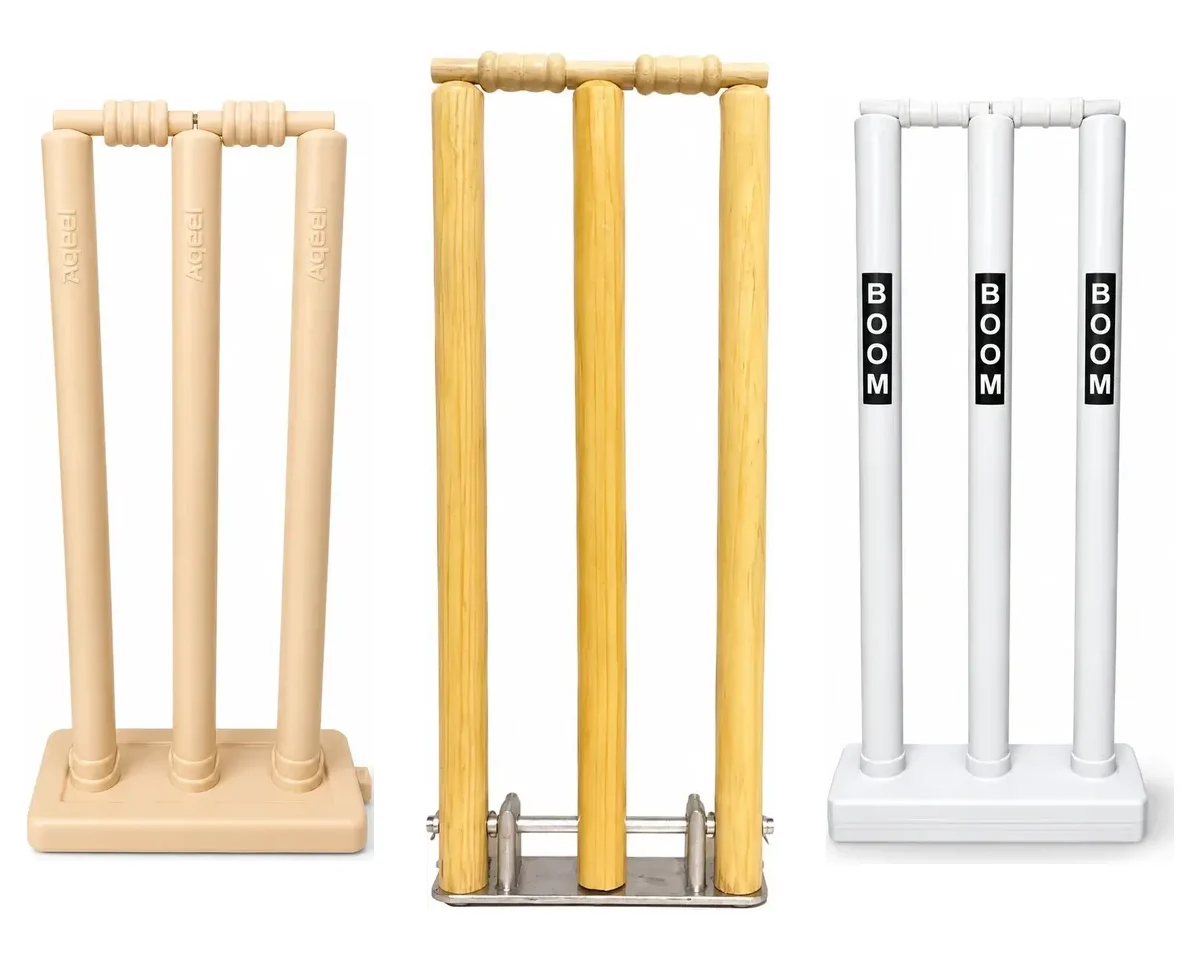
Fine Gold Pro 3000 Tape Ball Bat (36 inch, Full Cane Handle) The Fine Gold flagship: a 36 inch full cane tape ball bat at 800g to 900g, pressed from premium wood for tournament-level play. Orange, red or yellow. 4-Piece Leather Cricket Hard Ball 156g in Red A hand-stitched genuine cowhide hard ball built from four quarter panels at the regulation 156g, for club cricket and serious practice. Aqeel Small Plastic Cricket Wickets with Fillable Base A small Aqeel wicket set in a beige wood-look finish, with three stumps, two bails and a base you fill with water or sand to hold it steady. Kids Tennis Ball Regular Size (Pack of 6) in Yellow, Orange or Green Six regular size rubber tennis balls in yellow, orange or green, made for children playing street cricket indoors or out. CA Pro President Tape Ball Bat (34 inch) for Teenagers The top of our 34 inch CA range at Rs. 2,800. A CA Pro President tape ball bat with a wide 4.5 inch blade and thick edges, aimed at teenage cricketers. Master White Synthetic Practice Cricket Balls (Pack of 6) Six Master white synthetic hard balls for training under floodlights or indoors, where a red ball disappears. Around 100g each, international size. Wooden Spring Cricket Wickets 30 inch with Metal Base Three 30 inch wooden stumps sprung into a heavy steel base so they spring back upright after every hit. Tournament grade, no filling needed. Master Red Synthetic Practice Cricket Balls (Pack of 6) Six Master red synthetic hard balls built for cricket training. Around 100g each, lighter than a match ball, and far tougher than leather in the nets. CA Gold King Tape Ball Bat (34 inch) for Intermediate Players A balanced 34 inch CA Gold tape ball bat at Rs. 2,650, built for intermediate players and youth who want control alongside power. T-20 Two Piece Leather Cricket Hard Ball 156g in Red A hand-stitched genuine cowhide hard ball at the standard 156g weight, two-piece stitched in red for club cricket, academy nets and local tournaments. Boom Small Plastic Cricket Wickets for Kids in White The cheapest wicket set we stock at Rs. 400. A small white hard plastic Boom stump set with bails, sized for young children learning cricket. CA Gold Jaguar Tape Ball Bat (34 inch) for Beginners and Teenagers The most affordable CA bat we stock at Rs. 2,450. A 34 inch tape ball blade with thick edges, aimed at beginners and teenagers starting out on a branded bat. Chamki Tennis Ball 64mm Double Colour (Pack of 12) for Kids Twelve small 64mm double-colour Chamki balls at just 40g each, the lightest ball we stock and the one to hand a young child learning cricket. CA Gold Tennis Ball (Pack of 6) in Green, Orange or Yellow Six CA Gold tape balls in green, orange or yellow, with extra tight pressure jointless rubber. The everyday CA ball for outdoor street cricket. Fine Gold 5 Star Tape Ball Bat (36 inch) for Teens and Intermediate Players The most affordable tape ball bat we stock at Rs. 1,850. A 36 inch Fine Gold blade for teenagers and intermediate players, available in blue, green or red. Boom Large Plastic Cricket Wickets 30 inch in White A 30 inch Boom wicket set in white hard plastic, complete with bails and a base you weigh down with sand or soil. The cheapest full-height set we stock. CA Swing Tennis Ball 72mm (Pack of 6) in Yellow or White Six CA Swing 72mm tape balls with extra tight pressure jointless rubber, available in yellow, white or golden for day or floodlit cricket. Fine Gold Pro 1000 Tape Ball Bat (36 inch, Half Cane Handle) A 36 inch Fine Gold tape ball bat with a half cane handle, weighing only 800g to 900g, built for experienced players who want reach without losing bat speed. Big Shot Untearable Foam Tennis Ball 68mm (Pack of 6) Six Big Shot 68mm balls built on a hard foam core instead of rubber, printed Untearable, made for kids playing street cricket indoors or out. Aqeel Large Plastic Cricket Wickets 30 inch with Fillable Base A 30 inch Aqeel wicket set with three stumps, two bails and a hollow base you fill with water or sand to keep it standing on any surface. Fine Gold Tennis Ball 68mm in Sealed Tin Tubes (6 Balls, 2 Tubes) Fine Gold 68mm tape balls packed three to a sealed ring-pull tube. Six balls across two tubes for Rs. 2,400, with jointless extra tight pressure rubber. CA Gold Smash 3000 Tape Ball Bat (35 inch, Full Cane Handle) Pro-level 35 inch tape ball bat from CA with a full cane handle, thick edges and a 4.5 inch blade, built for advanced and hard-hitting players. Original Fine Gold Tennis Ball 74mm (Pack of 3, 6 or 12) for Tape Ball Cricket Large 74mm Original Fine Gold tape balls with extra tight pressure rubber and no joint, sold in packs of 3, 6 or 12 for tournament street cricket.
Buy Cricket Equipment Online in Pakistan
Cricket in Pakistan is not mostly played in stadiums. It is played in galis after Maghrib, on rooftops, in school grounds and on any strip of concrete with a wall at one end — and it is played with a taped tennis ball. That is the cricket Safencia stocks for: real tape ball gear that survives a street, at prices that make sense when the ball keeps going over the neighbour's wall.
The range covers everything a game needs. Seven tape ball bats from CA and Fine Gold, in 34 inch for tight streets and 36 inch for reach, with half cane and full cane handles from Rs. 1,850 to Rs. 3,600. Eleven balls: tape balls from a 40g Chamki for small children up to a 74mm tournament ball, plus genuine leather hard balls and synthetic practice balls. And five wicket sets, from a Rs. 400 plastic set for the garden to a Rs. 3,999 wooden spring set whose stumps stand themselves back up after every hit.
We describe this gear the way a shopkeeper who plays would. Every bat lists its real length, weight range and handle type; every ball its real size and weight; every wicket what is actually in the box. Where a spec is missing from the maker we leave it out rather than invent it, and where two products are nearly identical we tell you which one to save your money on. Cash on Delivery to Lahore, Karachi, Islamabad, Rawalpindi and across Pakistan, confirmed on WhatsApp before dispatch.
Shop cricket gear by type
Cricket bats: seven CA and Fine Gold tape ball bats, 34 and 36 inch, half cane and full cane, Rs. 1,850 to Rs. 3,600 — see Cricket Bats in Pakistan .Cricket balls: tape balls from 64mm to 74mm, leather hard balls and synthetic practice balls, Rs. 600 to Rs. 2,400 — see Cricket Balls in Pakistan .Wickets: plastic sets with fillable bases and a wooden spring-back set, Rs. 400 to Rs. 3,999 — see Cricket Wickets in Pakistan .Delivery: Cash on Delivery nationwide, with stock and delivery charges confirmed on WhatsApp before dispatch.
Cricket Equipment Quick Price & Category Overview in Pakistan
Category
Product Variety
Starting Price
Top Pick
Delivery Method
Cricket Bats 7 CA & Fine Gold Tape Ball Bats (34" & 36")
Rs. 1,850
CA Gold Smash 3000 / Fine Gold Pro 3000
Cash on Delivery
Cricket Balls 11 Tape, Leather & Practice Balls
Rs. 600
CA Gold 12-Pack / 4-Piece Leather
Cash on Delivery
Cricket Wickets 5 Plastic & Wooden Spring Sets
Rs. 400
Wooden Spring Wickets (Rs. 3,999)
Cash on Delivery
Frequently Asked Questions
What cricket equipment does Safencia sell in Pakistan?
Safencia stocks 23 cricket products: seven tape ball bats from CA and Fine Gold, eleven balls (tape balls, genuine leather hard balls and synthetic practice balls), and five wicket sets in plastic and wood. Prices run from Rs. 400 to Rs. 3,999 with Cash on Delivery nationwide.
How much does a cricket bat cost in Pakistan?
Safencia tape ball bats cost between Rs. 1,850 and Rs. 3,600. The Fine Gold 5 Star is the entry point at Rs. 1,850, the CA Gold Jaguar is the cheapest CA bat at Rs. 2,450, and the Fine Gold Pro 3000 with a full cane handle tops the range at Rs. 3,600.
What is a tape ball bat and how is it different from a hard ball bat?
A tape ball bat is pressed to face a taped tennis ball, not a leather ball. It is lighter, needs no knocking in, and costs far less. Putting a 156g leather hard ball into a tape ball blade will crack or dent it quickly, so the two are not interchangeable. Every bat we stock is a tape ball bat.
Which cricket bat should I buy for tape ball cricket?
Match the length to your space and the handle to how much you bat. A 34 inch bat is easier to control in a narrow gali; a 36 inch gives more reach on a ground. A full cane handle absorbs shock on mistimed shots and is worth it if you bat long spells; half cane is stiffer and cheaper.
What is the difference between a tape ball and a leather hard ball?
A tape ball is a rubber or foam tennis ball, usually wrapped in electrical tape, weighing 40g to 100g and safe for street play. A leather hard ball is genuine cowhide around cork at the regulation 156g, used for club and academy cricket with proper protective gear.
Do you sell cricket gear for young children?
Yes. The Chamki tape ball is 64mm and just 40g, about half the weight of a normal tape ball, and the small Aqeel and Boom wicket sets are Rs. 400. For a child ready for a full-size ball, the Kids Tennis Ball is regular tennis size at about Rs. 166 a ball.
Which cricket wickets should I buy?
For a garden or street, a plastic set at Rs. 400 to Rs. 600 is right — the Aqeel base fills with water from a tap, the Boom takes sand or soil. For tournaments, the Rs. 3,999 wooden spring set has stumps that snap back upright after every hit, so nobody walks down to reset them.
Is Cash on Delivery available for cricket equipment?
Yes. Safencia delivers cricket gear with Cash on Delivery across Pakistan — Lahore, Karachi, Islamabad, Rawalpindi, Faisalabad, Multan, Peshawar, Sialkot, Quetta and more. Orders are confirmed on WhatsApp and you pay the rider in cash on arrival.
Explore Related Collections
Related collections